Key Takeaways
- Flexible workspaces help teams communicate, innovate, and adapt more efficiently.
- A well-planned collaborative office design supports both teamwork and focused individual work.
- Modern offices are increasingly built around employee wellbeing, flexibility, and productivity.
- Businesses are investing in adaptable office interiors to meet evolving workplace needs.
Why Are More Businesses Choosing Flexible Workspaces Today?
The workplace has changed dramatically over the last few years. Hybrid work arrangements, changing employee expectations, and the need for greater agility have encouraged businesses to rethink traditional office layouts.
Instead of rows of fixed desks and enclosed offices, many organisations are embracing collaborative office design that encourages teamwork while still allowing employees to focus when needed.
Rather than being a passing trend, flexible workspaces have become an important part of creating workplaces that support both people and business goals.
What Makes a Flexible Workspace Different from a Traditional Office?
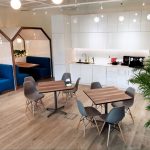
Unlike conventional offices, flexible workspaces are designed to support different ways of working throughout the day. Some common features include,
- Open collaboration zones
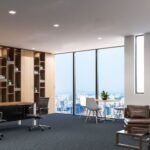
- Quiet rooms for focused work
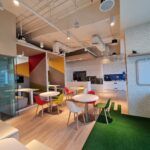
- Informal meeting spaces
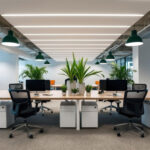
- Shared workstations
- Multi-purpose meeting rooms
- Comfortable breakout areas
- Movable furniture for changing team needs
This approach allows businesses to make better use of available space while giving employees more choice over where and how they work.
How Does Collaborative Office Design Improve Teamwork?
A thoughtfully planned collaborative office design makes it easier for employees to interact naturally without disrupting productivity. Some of the key benefits include,
- Faster communication between departments
- Easier brainstorming and idea sharing
- Better cross-functional collaboration
- Reduced barriers between teams
- Improved knowledge sharing
- Greater sense of workplace community
At the same time, successful office layouts balance collaboration with privacy by including dedicated areas for concentration and confidential discussions.
Why Is Flexibility Becoming More Important for Modern Businesses?
Business needs can change quickly. Whether a company is expanding, restructuring, or adopting hybrid work, flexible office layouts can adapt without requiring major renovations. Some practical advantages include,
- Easier reconfiguration for growing teams
- Better utilisation of office space
- Support for hybrid work arrangements
- Reduced long-term renovation costs
- Improved scalability for future business changes
This adaptability helps businesses respond to changing workplace requirements more efficiently.
Can Flexible Workspaces Improve Employee Experience?
Employees spend a significant part of their day at work, making workplace comfort an important consideration.
Flexible offices often provide spaces that support different working styles, helping employees choose environments that suit their tasks. Potential workplace benefits include,
- More comfortable working environments
- Greater autonomy during the workday
- Better opportunities for collaboration
- Reduced workplace stress from overcrowded layouts
- Increased employee engagement
When employees have access to suitable spaces for both teamwork and focused work, they may find it easier to stay productive throughout the day.
How Is Technology Supporting Flexible Office Design?
Modern workplaces increasingly integrate technology into office planning. Some examples include,
- Wireless meeting room technology
- Smart booking systems for workspaces
- Video conferencing facilities
- Integrated charging stations
- Acoustic solutions for virtual meetings
Combining technology with collaborative office design helps create workplaces that support both in-office and remote employees.
Why Are Flexible Offices Becoming Popular Today?
Businesses today often need to maximise limited office space while supporting growing and evolving teams. Flexible office layouts can help organisations,
- Optimise available floor space
- Encourage innovation and teamwork
- Create more attractive workplaces
- Support changing workforce expectations
- Prepare for future workplace needs
As organisations continue adapting to new ways of working, flexible office interiors are becoming a practical long-term investment rather than simply a design preference.
Frequently Asked Questions
1. What is collaborative office design?
Collaborative office design is a workplace planning approach that creates spaces where employees can easily communicate, share ideas, and work together while also providing areas for focused individual work.
2. Are flexible workspaces suitable for small businesses?
Yes. Flexible office layouts can be tailored for businesses of different sizes and can help smaller companies maximise available space efficiently.
3. Does collaborative office design reduce employee productivity?
Not when planned carefully. A balanced office includes both collaborative zones and quiet spaces, allowing employees to choose the most suitable environment for different tasks.
4. Can an existing office be converted into a flexible workspace?
Yes. Many existing offices can be redesigned by reconfiguring layouts, updating furniture, and creating multi-functional spaces without requiring a complete rebuild.
Transform Your Workplace with Office Interior
A well-designed workplace should support the way your team works today while remaining adaptable for the future. Whether you’re renovating an existing office or planning a new workspace, investing in a functional collaborative office design can help create an environment that encourages teamwork, flexibility, and efficient use of space.
At Office Interior, we work closely with businesses across Singapore to develop practical office solutions tailored to their operational needs and workplace goals.
Consider booking a consultation today to discuss how your office can be transformed into a flexible workspace that supports collaboration and long-term business growth.