Key Takeaways
- Office fit out planning helps businesses adapt to growth, new technologies, and changing work styles.
- Flexible layouts can reduce the need for costly renovations in the future.
- Smart workplace design can improve employee collaboration, productivity, and well-being.
- Future-proofed offices are better equipped to support hybrid work and evolving business demands.
As businesses continue to evolve, the workplace must evolve with them. Whether a company is expanding, adopting hybrid work, or introducing new technologies, a well-designed office can make these transitions smoother.
This is where office fit-out planning becomes essential. Rather than designing a space solely for today’s needs, businesses should consider how their workplace can support future growth, operational changes, and workforce expectations.
Why Is Future-Proofing an Office Important?
A workplace that cannot adapt may quickly become inefficient and expensive to maintain. Future-proofing helps businesses,
- Accommodate workforce growth without major disruptions
- Support changing team structures and workflows
- Integrate new technology more easily
- Enhance employee experience and retention
- Reduce long-term renovation costs
By planning ahead, businesses can create an office that remains functional and relevant for years.
How Can Flexible Layouts Support Business Growth?
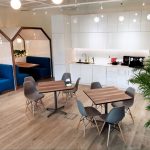
One of the most effective strategies in office fit-out planning is creating flexible spaces. Instead of fixed layouts that are difficult to modify, businesses can incorporate
- Modular furniture systems
- Movable partitions
- Multi-purpose meeting rooms
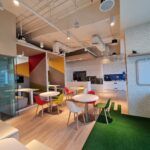
- Adaptable collaboration zones
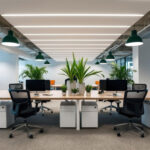
- Flexible workstation arrangements
These features allow organisations to reconfigure their workspace as teams expand, departments change, or new business requirements emerge. A flexible office reduces downtime and minimises the need for extensive future renovations.
What Role Does Technology Play in Future-Proof Office Design?
Technology is now a fundamental part of workplace operations. When planning an office fit-out, businesses should consider,
- Scalable IT infrastructure
- High-speed network capabilities
- Video conferencing facilities
- Smart meeting room technology
- Integrated cable management systems
A workplace designed with future technological upgrades in mind can accommodate innovation without requiring major structural changes. This proactive approach ensures the office remains efficient as business technology evolves.
How Can Office Design Support Hybrid Working?
Hybrid work is becoming a long-term reality for many organisations. An effective fit-out should balance in-office collaboration with remote working needs. Key considerations include,
- Collaborative breakout areas
- Hot-desking solutions
- Quiet focus zones
- Shared workspaces
- Technology-enabled meeting rooms
By supporting both remote and on-site employees, businesses can maintain productivity while offering greater flexibility to their workforce.
Can Sustainable Design Help Future-Proof an Office?
Sustainability is increasingly influencing workplace decisions. Modern office fit-outs often incorporate,
- Energy-efficient lighting
- Sustainable building materials
- Improved ventilation systems
- Space-efficient layouts
- Environmentally conscious design choices
These measures can contribute to operational efficiency while helping businesses align with evolving environmental expectations. A sustainable office is often more resilient and cost-effective over the long term.
Frequently Asked Questions About Office Renovation Timelines
What is office fit out planning?
Office fit out planning is the process of designing and organising a workplace to meet both current and future business requirements. It involves layout design, infrastructure planning, technology integration, and space optimisation.
How often should a business review its office layout?
Most businesses should review their workspace every few years or whenever significant operational changes occur, such as company growth, restructuring, or shifts in work models.
Is a flexible office design more expensive?
While some flexible design features may require an initial investment, they often reduce future renovation costs by allowing spaces to be reconfigured without major construction work.
How does a future-proof office benefit employees?
A future-ready workplace can improve comfort, collaboration, productivity, and adaptability, creating a better overall employee experience.
Can small businesses benefit from future-proof office design?
Yes. Even small businesses can benefit from flexible layouts and scalable infrastructure, helping them accommodate growth without frequent office upgrades.
Looking to Create a Future-Ready Office in Singapore?
Successful office fit-out planning is about more than designing an attractive workspace; it is about creating an environment that can adapt as your business evolves.
At Office Interior, we help businesses across Singapore design practical, flexible, and future-focused workplaces tailored to their operational needs. Consider contacting the Office Interior team today to schedule a consultation and discover how a strategic office fit-out can support your business growth for years to come.